

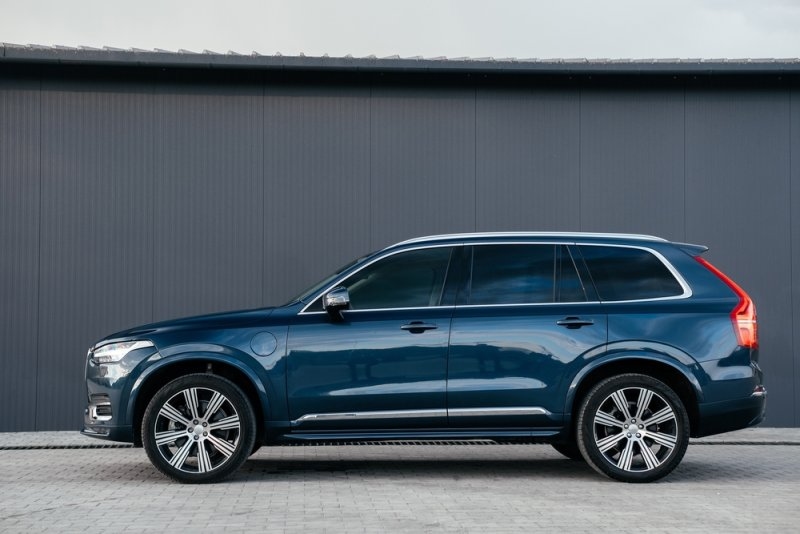
If two rows of seating are not enough, yet the idea of a minivan is not appealing to you, then a three-row SUV may be an option worth considering because it provides the extra seating room that you need while maintaining the driving posture and other benefits of an SUV.
Not all 3-row SUVs serve the same purpose. Some 3-row SUVs are small enough to be used as commuter vehicles but make the third row more appropriate for children. Other models have seating capacity, cargo space, and power to haul a lot of weight. There are hybrid and electric models available for those customers who wish to reduce their fuel expenses without compromising on the seating capacity.
It is all about your personal needs and preferences.
Current SUVs with third-row seating are offered in different shapes and sizes. While some of them have a unibody crossover platform optimized for driving on the road, body-on-frame SUVs are built mainly with towing and hauling capabilities in mind.
The three-row SUV can usually carry six to eight passengers, although it depends on whether there is a bench seat or captain's chairs in the second row. In some cases, large SUVs can carry even more people depending on their design.
There are differences in the third-row seating too. It may be comfortable only for children in small SUVs, but adult passengers can fit comfortably in large vehicles.
Three-row compact SUVs might prove ideal in scenarios where the ability to navigate through traffic and having a smaller overall size are important factors to consider. The rearmost seat configuration is provided, but without the overall size that traditional SUVs have.
Examples like the Mitsubishi Outlander show how automakers are incorporating the feature into more compact cars. However, there is reduced space as compared to the larger SUV models due to the compact design.
They are ideal for families whose needs for the rearmost seating arrangement may only be occasional.
Take a seat in the third row before purchasing the car to verify the ease of access to that row. Another thing you need to do is test the trunk when all seven seats are in an upright position. There is a possibility that despite having seven seats, the car will still not have sufficient space for baggage.
Midsize 3-row SUVs belong to the largest subcategories within the category. The Kia Telluride, Hyundai Palisade, Toyota Grand Highlander, Honda Pilot, Ford Explorer, and Mazda CX-90 are just some of the cars that offer different alternatives concerning various aspects like space, performance, efficiency, etc.
Thus, the 2026 Hyundai Palisade starts at approximately $41,000, whereas the 2026 Toyota Grand Highlander costs in the low-$40,000 range. The most recent cars on the market show that the segment is developing beyond traditional combustion engines, with the emergence of hybrids.
For families, the segment represents the perfect balance between compact SUVs and bigger counterparts.
This category should be on your radar if you commonly carry kids, sometimes ferry adults in the third-row seat, go on long-distance trips, or require sufficient cargo volume but don’t want to make the jump to a full-sized SUV. The trick here is not to assume that all midsize vehicles provide the same level of third-row roominess.
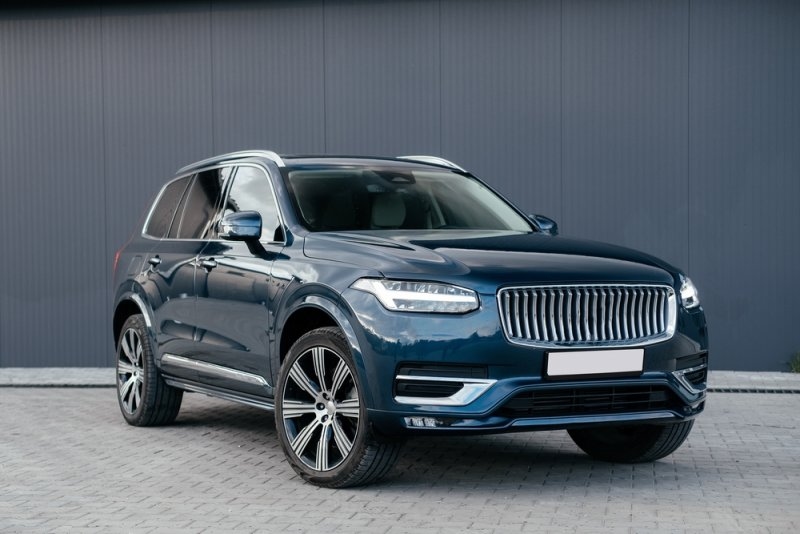
Space, towability, and cargo-carrying capabilities are the strengths of three-row full-size SUVs. For instance, the Chevrolet Tahoe, Chevrolet Suburban, GMC Yukon, and other comparable vehicles could offer greater interior passenger and cargo space compared to smaller SUVs.
For example, the 2026 Chevrolet Suburban is priced at around $66,500 and offers seating options that allow for transporting big families while still offering cargo room. Similarly, the Tahoe and GMC Yukon have features that put them in the same category but differ in some other ways.
However, the disadvantage of these SUVs is their size.
Seat numbers are just the start. For family-friendly 3-row SUVs, daily convenience might matter more than specification details.
Check how easy it is to move the second row forward. A one-touch reclining function can help make the process much easier for kids. If you use baby safety seats, test the actual layout. A car seat can complicate access in some layouts of the second row.
It is the most underrated dimension out there. See how much space is left behind with all seats occupied. Families usually need space for grocery shopping, sports gear, backpacks, strollers, luggage, etc. Total trunk volume with the third row laid down tells only half the story.
Captain’s chairs allow access to the third row and make seating comfortable for each individual. At the same time, the second-row bench can add one more seating place. Decide what is more important for your family - passenger capacity or access to the third row.
Safety must be assessed based on the vehicle’s standard and optional advanced driver assistance system (ADAS) features as well as crash test scores.
The features you should consider include automatic emergency braking, blind spot detection, rear cross traffic detection, lane departure warning, adaptive cruise control, and surround view cameras.
You cannot take the availability of a feature for granted, since what is available may not necessarily be standard across all the variants.
Also Check: Best Luxury SUV in 2026: 7 Options for a Supreme Experience
For those looking for budget-friendly 3-row SUVs, smaller models will allow you to have a 3-row vehicle for much less money compared to the bigger ones.
The 2026 Mitsubishi Outlander costs about $32,255, the 2026 Kia Sorento costs about $33,885, and the Hyundai Santa Fe costs about $36,650. Hybrids are costlier at the start but will burn fewer gallons of gas. But remember, you cannot base your affordability on the upfront costs only. You need to compare the expenses on fuel, insurance, maintenance, finance, tyres, etc.
Family-friendly options to consider include:
While each of these items may seem insignificant, it will make a big difference in how the vehicle performs as an SUV for school, errands, vacations, and family excursions.
A third row gives you flexibility but can also lead to compromise in some instances. Should you not have more than five passengers at any time, a two-row SUV can give you more room for luggage behind the second row.
If you often have to carry around several children, a comparison between an SUV and a minivan should be considered. This is because sliding doors, step-in heights, and interior arrangements become important features in such cases.
You are not buying a car because of how many seats it has but because of how the seats will be used.
Current 3-row SUVs include small versions of the car meant for accommodating additional passengers only sometimes and also large versions meant for accommodating a family, towing requirements, and hauling requirements. The small 3-row SUVs may focus on agility and price, whereas the midsize 3-row SUVs may represent an attempt to balance both the size and utility aspects of the vehicle.
Choosing the best car involves comparing the elements related to your regular requirements, such as the comfort of the third row, cargo volume, safety features, engine, efficiency, towing capability, and total cost of ownership.
The typical models carry up to six to eight people, depending on how the second row of seats is set up. Some bigger SUVs have enough space for more, especially when they have a front bench seat. Make sure you know the exact seating setup of your particular model.
Sometimes there is, but there can be differences in comfort depending on the individual and the specific model. Midsize and full-size SUVs tend to offer more third-row space than compact SUVs do.
This greatly depends on the particular model, but typically smaller SUVs will allow only a few bags to be carried behind the third row, whereas bigger SUVs will have more cargo space available.
A hybrid can be worth considering when fuel efficiency is a priority and the vehicle fits your driving habits. Compare its fuel-economy ratings, purchase price, cargo configuration, warranty, and available features with the equivalent gasoline model.
Test every seating position, third-row access, child-seat compatibility, cargo space, visibility, parking manoeuvrability, infotainment controls, and ride comfort. If you tow, also verify the capacity of the exact engine and drivetrain configuration.
This content was created by AI