

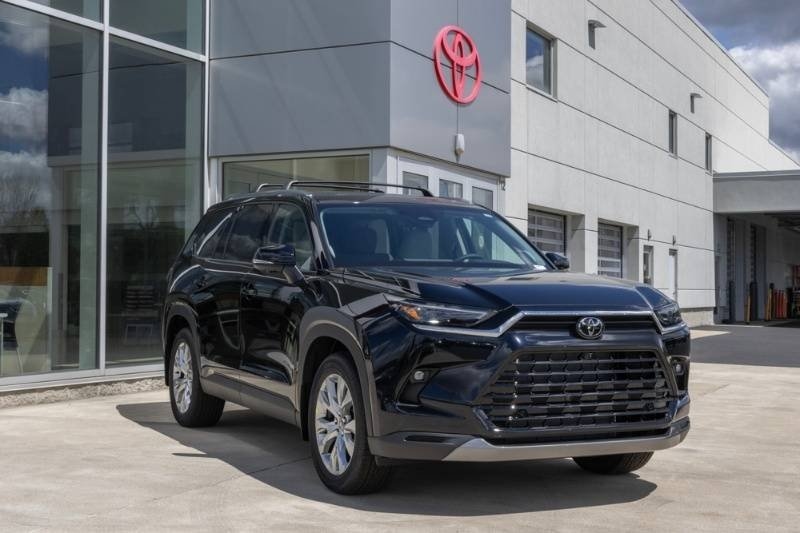
There are a lot of family SUVs competing for your attention right now, and honestly, most of them blur together. This Toyota Highlander review tries to cut through that and tell you what actually matters before you sign anything. We dug into how it drives, how it feels inside, what the tech is like, and what you'll realistically spend to keep it running. By the end, you should know if it fits your life or not.
Toyota's been selling the Highlander since 2000, and it's built up a lot of goodwill along the way. The current generation showed up in 2020, and five years later, it still doesn't feel dated. Let's get into what makes it tick.
Testers behind the 2026 Highlander review keep coming back to how quick the turbo four-cylinder feels. It gets to 60 mph in around 7.4 seconds, which is quicker than a lot of V6 competitors, oddly enough.
Potholes and rough pavement barely register thanks to a suspension that's tuned on the softer side. It stays quiet at highway speed too, without much wind noise sneaking through the cabin.
Wireless Apple CarPlay and Android Auto come standard, no matter which trim you pick. Go higher up the lineup, and you get a 12.3-inch touchscreen, though it can be a pain to see in direct sun.
There's also a wireless charging pad tucked under the screen, plus five USB ports scattered around the cabin. Amazon Alexa is built in too, which is a nice touch if your house already runs on smart speakers.
Every Highlander for 2026 comes with a full driver-assist package right out of the gate. Adaptive cruise, lane departure warnings, and blind-spot monitoring are all included; no upcharge required. It also earned a five-star overall rating from the NHTSA, which says a lot about how it holds up in a crash.
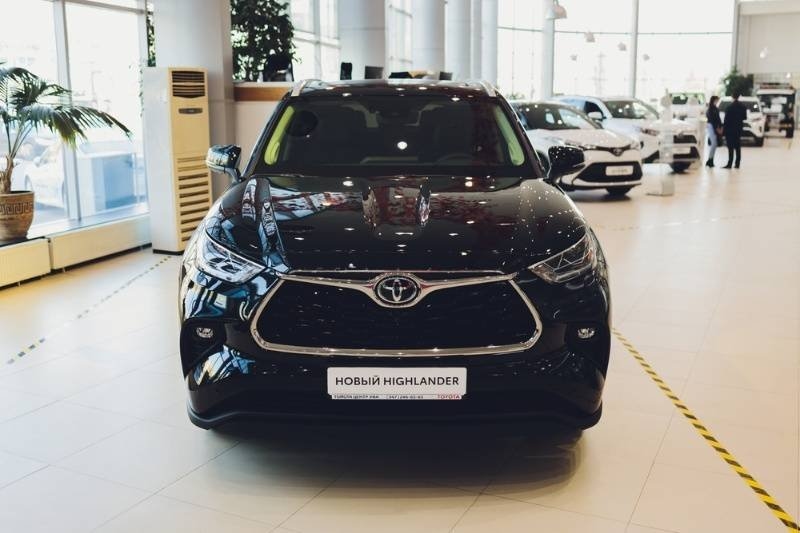
There are four trims to pick from, and they cover a pretty wide range of budgets.
| Trim | Starting MSRP | Seating | Combined MPG |
| XLE | $46,270 | 7 | 24 mpg |
| XSE | $48,340 | 7 | 24 mpg |
| Limited | $50,725 | 7 | 24 mpg |
| Platinum | $53,925 | 7 | 24 mpg |
All-wheel drive is now standard across the board for 2026, which wasn't always the case. Toyota also dropped the old base LE trim, so XLE is your new starting point.
Highlander reliability comes out ahead of most of the competition, at least according to independent data. RepairPal scores it 4 out of 5 and ranks it sixth out of 32 midsize SUVs.
Most owners seem happy, though a handful mention rough starts or minor build issues early on. Sticking to the maintenance schedule and using OEM parts tends to keep Highlander reliability where it should be.
No SUV gets everything right, and the Highlander definitely has its trade-offs.
| Pros | Cons |
| Smooth, quiet ride quality | Third row really only fits kids |
| Solid fuel economy for the class | Not much cargo room behind row three |
| Great outward visibility | Screen glare in bright sun |
| Full driver-assist suite as standard | Some rivals offer roomier third rows |
Going through these Highlander pros and cons should make it clear whether space or comfort matters more to you. If you need a proper third row for adults, the Grand Highlander is probably the better call.
Highlander maintenance costs tend to stay reasonable, which tracks with Toyota's reputation for building things that last. Toyota also throws in the first two years of scheduled maintenance for free.
Fuel costs won't hurt much either, since the four-cylinder still manages 24 mpg combined. If you want to stretch those savings even further, our piece on car maintenance tips for beginners covers a few easy habits that add years to any car.
This segment is crowded, and there are a few rivals worth a look before you commit. The Kia Telluride, for one, offers more room and a screen setup that feels a step ahead.
Curious about going electric instead? Our Tesla Model Y review walks through range and running costs if you want to weigh that option too.
This Toyota Highlander review keeps landing on the same conclusion: it's a solid, easy-to-live-with pick for most families. Fuel efficiency, safety tech, and predictable running costs all line up nicely here.
If your family absolutely needs a spacious third row, look at the Grand Highlander or a competitor instead. Otherwise, this Highlander should handle daily life without much fuss at all.
Take one for a test drive before you decide, and get quotes from a couple of dealers nearby. That extra bit of legwork usually pays off and saves you from buyer's remorse later.
Yes, it rides comfortably, scores well on safety, and gets better mileage than most rivals its size. The catch is a tight third row that works fine for kids but not really for adults.
Highlander reliability ranks sixth out of 32 midsize SUVs on RepairPal, with a 4 out of 5 score. Repair costs and frequency both beat the class average, making it a fairly safe long-term bet.
Highlander maintenance costs average roughly $458 a year, just under the segment's $485 average for midsize SUVs. Toyota also covers scheduled maintenance free for the first two years, which softens the early cost of ownership.
Highlander pros and cons boil down to a quiet, efficient ride against a small, kid-only third row. Rivals like the Telluride offer more space if a bigger family is what you're shopping for.
The hybrid gets up to 36 mpg combined, ahead of the gas engine's 24 mpg rating. Go hybrid for lots of driving or lower fuel bills, or stick with gas for a lower sticker price.
This content was created by AI