

People constantly complain about soaring gas prices but refuse to ditch their massive SUVs for the daily office commute. Then you have the other extreme. Buyers jump straight into full electric vehicles, realize they cannot reliably charge them at their apartment complex, and instantly regret the entire purchase.
A standard four-door car with a battery pack is the actual solution nobody wants to admit they need. You get the familiar layout and road trip freedom of a traditional car without bleeding money at the pump every single Tuesday. The technology has evolved past the weird, quirky designs of the early 2000s. Today, sedans with dual powertrains are fast, incredibly quiet, and totally seamless.
Must Read: Hybrid Cars vs Electric Cars: A Guide for Buyers in 2026
Dealerships will aggressively try to sell you on fancy touchscreens or premium audio systems to distract you from the actual mechanics. A top-tier dual-powertrain vehicle completely masters the boring parts of driving instead.
You should never feel the exact moment the gas engine violently wakes up. The transition between silent battery cruising and internal combustion power needs to be completely invisible to the driver. If the steering wheel physically shudders at red lights when the engine kicks on, walk away from the lot.
Anyone can build a car that gets decent mileage sitting in bumper-to-bumper city traffic. Real hybrid sedan fuel economy shines when the car is doing 75 miles per hour on the open interstate and still refusing to burn through a tank of gas. The electric motor should assist at high speeds, not just in parking lots.
A massive battery pack adds serious weight to the chassis. Engineers have to heavily tune the suspension to handle that extra bulk without shattering your spine over standard speed bumps. Elite hybrid sedan comfort means the car absorbs awful road conditions without rattling the interior plastic panels.
Top Pick: Why You Should Not Miss Tire Rotation and Balance of Your Car?
Stop digging through endless spec sheets and deceptive marketing brochures. These five specific models actually deliver on their promises of cheap gas bills and painless daily commuting.
Toyota stopped giving buyers a choice recently. The newest generation is exclusively hybrid. It is predictably smooth, aggressively reliable, and gets roughly fifty miles to the gallon without the driver even trying. It is the default answer for a reason.
If you actually care about how a car handles around a corner, go buy the Accord. The powertrain focuses heavily on electric propulsion at lower speeds, making it feel surprisingly quick off the line. It delivers impressive hybrid sedan performance while still offering a massive back seat for passengers.
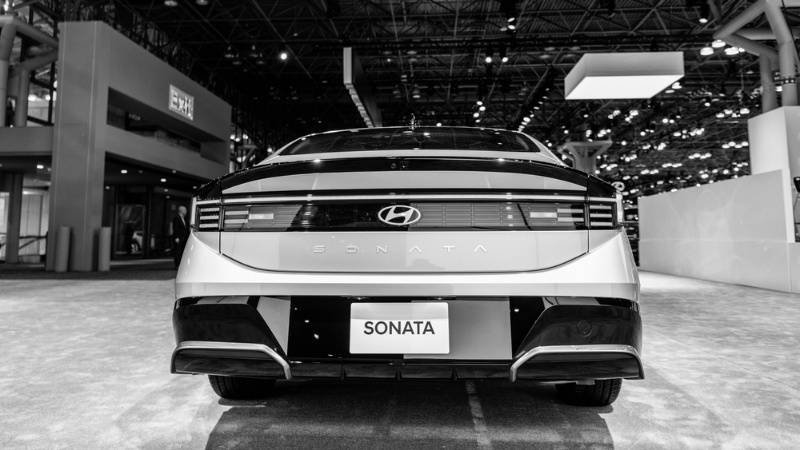
This is the tech-heavy alternative. Hyundai packs the cabin with massive digital screens and driver assistance features that actually keep the car centered in its lane. It looks like a spaceship from the outside and gets wildly high fuel economy on long highway stretches.
The punchline is officially dead. The newest Prius looks genuinely fantastic and finally has enough actual horsepower to merge onto a busy highway without terrifying the driver. It remains the absolute global benchmark for squeezing every single mile out of a drop of gas.
If you refuse to spend thirty-five thousand dollars on a daily commuter car, this is your target. It gives you all the core benefits of a dual-powertrain system in a slightly smaller footprint. It is easily one of the most competent, fuel-efficient hybrid sedans on the budget market today.
Buying a vehicle with both a gas engine and an electric battery means you have double the hardware that can technically break. Protect yourself before you sign the restrictive finance paperwork.
Do not assume standard bumper-to-bumper coverage protects the hybrid system. You need to physically verify the manufacturer offers a specific warranty for the battery pack that extends out to at least eight years or one hundred thousand miles. Batteries are violently expensive to replace out of pocket.
These cars use regenerative braking to aggressively charge the battery. This means the electric motor does most of the heavy stopping, saving your actual physical brake pads from heavy wear. You should realistically go tens of thousands of miles before needing a standard brake job.
A lot of independent corner garages completely refuse to touch high-voltage battery systems. Before you buy, make sure you actually have a local specialist or a trusted dealership nearby who can safely service the electrical components when the dashboard inevitably throws a warning light.
Stop overthinking the daily commute. You do not need a massive truck to drive a laptop to an office, and you do not need to drop sixty grand on a luxury electric vehicle just to bypass the gas station. Finding the best hybrid sedans is simply about matching a proven battery system with a comfortable cabin.
If you want zero headaches and bulletproof reliability, buy the Toyota Camry. If you actually enjoy the physical act of driving and want sharper steering response, get the Honda Accord. Both vehicles will easily outlast your loan terms with nothing more than basic oil changes and tire rotations.
Trunk space and rear legroom. Older battery packs used to eat up half the trunk floor, making strollers impossible to fit. Modern models hide the flat batteries directly under the rear seats, giving families the exact same cargo space as a standard, gas-only car.
Toyota continues to completely dominate this space. They have been perfecting this exact dual-powertrain technology for over twenty years. A Prius or a Camry will realistically hit two hundred thousand miles with significantly fewer massive repair bills than their American or European competitors.
Yes. Extreme cold drastically reduces chemical battery efficiency. If you live in a freezing climate, the gas engine will run much more frequently just to keep the cabin warm and the battery pack at its proper operating temperature. Your winter mileage will always be noticeably worse than your summer mileage.
Not usually. Plug-in models are incredibly heavy because they carry massive battery packs. If you drain that battery on a long highway road trip and rely purely on the gas engine to pull all that dead weight, your fuel economy will often be worse than a standard, lighter hybrid car.
This content was created by AI