


Buying a new vehicle in 2026 without doing hard math on your daily mileage and charging setup is a fast way to torch thousands of dollars. Most dealerships want to sell you on lifestyle hype, pushing battery specs or mpg ratings without mentioning what happens to your repair bills and insurance rates three years down the line. If you want to make an informed decision on hybrid cars vs electric cars, you have to strip away the marketing promises and look at how these powertrains perform under actual road conditions.
Hybrid vehicles combine an internal combustion engine with an electric motor and a compact battery pack to cut fuel consumption without forcing you to change your driving habits. You never have to mess with charging cables or hunt down a working public charger because the battery refills itself automatically through regenerative braking and excess engine output while you drive.
Under the hood, the system works by shutting off the gas engine at low speeds, during deceleration, or when idling at stoplights. When you stomp the accelerator to pass a semi-truck on the highway, both systems kick in together to deliver immediate torque. For drivers who live in apartment buildings or rural areas without reliable charger networks, hybrid cars provide the easiest operational bridge to lower emissions and cheaper fuel bills.
Electric vehicles have shed their early reputation as glorified golf carts by delivering raw instant torque, quiet cabins, and zero tailpipe emissions. Replacing a complex gas engine with a battery pack and electric drive motors strips out thousands of moving drivetrain parts that normally wear down over time.
What truly drives adoption among high-mileage commuters is the cost per mile when you charge at home overnight. Paying residential electricity rates on a 240-volt setup costs roughly a dollar or two per gallon equivalent, completely insulating drivers from gasoline price spikes. As battery warranties mature and fast-charging hardware improves across major highway corridors, electric vehicles make serious financial sense for households that can install Level 2 charging equipment in their garage.
Owning a vehicle for five to ten years exposes every hidden design flaw and maintenance cost. Looking at real hybrid vehicle benefits shows why these models hold up so well under daily abuse without breaking your monthly budget.
You never waste time waiting in a line at a broken public fast-charger. You pull into any regular gas station, fill the tank in five minutes, and drive another five hundred miles without a second thought.
Used car buyers trust mature hybrid drivetrains. Industry resale data shows hybrids retain up to twenty percent more of their original value after three years compared to full battery models that suffer from rapid tech depreciation.
The electric motor handles most of your light deceleration through regenerative braking before the actual brake pads ever clamp down. That means factory pads often last well past 70,000 miles before needing replacement.
Running a direct EV vs hybrid comparison means putting hard operational numbers side by side. Your local utility rates and driving climate matter just as much as sticker price when you calculate five-year ownership costs.
| Operational Factor | Hybrid Cars | Electric Vehicles (EVs) |
| Refueling & Charging | 5-minute fill-ups at any gas station | Requires home Level 2 charging or public fast chargers |
| Routine Maintenance | Requires engine oil changes and air filter swaps | Zero oil changes; minimal drivetrain fluid checks |
| 3-Year Depreciation | Retains roughly 60% to 70% of original value | Retains roughly 40% to 55% of original value |
| Winter Performance | Engine heat keeps cabin warm with zero range penalty | Cold battery chemistry and cabin heat can drop range by 20–30% |
| Insurance Rates | Standard to slightly elevated premiums | Higher premiums due to specialized collision repairs |
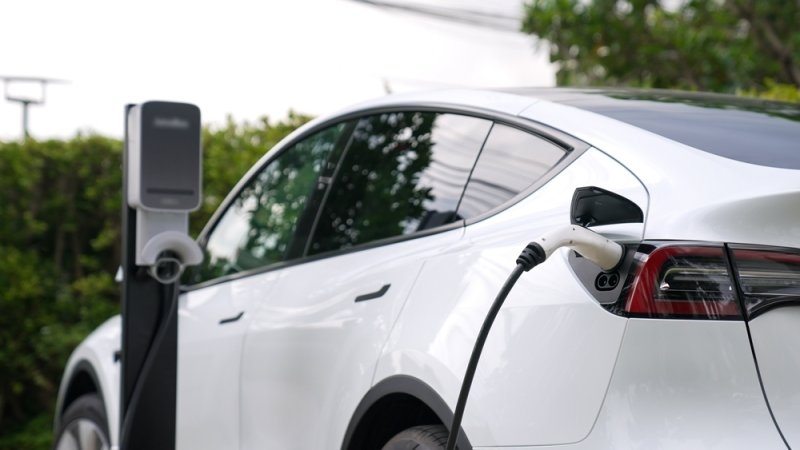
Walking onto a dealership lot without a checklist is how you get stuck with the wrong trim or a battery size that fails your commute. Use this electric vehicle buying guide to avoid costly mistakes before you sign the paperwork.
Do not buy electric cars until a licensed electrician checks your garage wiring. Installing a 240-volt Level 2 charger can cost a few hundred bucks or thousands if your home panel requires a full heavy-duty upgrade.
EPA range ratings drop significantly at sustained highway speeds. If your daily commute requires seventy miles of 75-mph driving, demand a battery that offers at least a 250-mile rated range to avoid constant charging stress.
Look past the bumper-to-bumper warranty and read the fine print on battery degradation. Standard coverage runs eight years or 100,000 miles, but make sure the contract covers replacement if capacity drops below seventy percent.
There is no universal winner when you weigh hybrid cars vs electric cars in 2026. If you log 15,000 miles a year, have a dedicated garage with a Level 2 charger, and want to eliminate gasoline bills entirely, the electric car benefits will pay off over a five-year loan.
If you park on the street, take frequent cross-country road trips, or want a lower purchase price with proven resale strength, the hybrid car benefits make it the smarter financial move.
For the majority of buyers in 2026, a hybrid remains the more practical everyday option. You get immediate fuel savings of thirty to fifty percent over a standard gas car without paying for electrical panel upgrades or planning your road trips around broken charging infrastructure.
If your daily driving stays under fifty miles and you charge in your driveway every night, an electric vehicle is much cheaper to operate. If you drive unpredictable distances or share a single car across multiple family schedules, a hybrid gives you complete flexibility without range anxiety.
You should upgrade to get away from volatile gas prices and cut wear-and-tear repairs. Both platforms use regenerative braking to save your brake pads, but they target different budgets: hybrids lower your upfront purchase cost, while EVs deliver the lowest operating cost per mile.
EVs skip oil changes, spark plugs, and complex gearboxes, keeping basic shop visits cheap. But higher insurance premiums and heavy battery packs that chew through expensive tires fast can quickly wipe out those maintenance savings.
Toyota and Honda hybrids have decades of real-world road data proving their gas-electric drivetrains easily reach 200,000 miles with basic fluid changes. Electric vehicles are extremely mechanically reliable, but older out-of-warranty battery replacements still carry heavy financial risk if a cell pack fails.
This content was created by AI