

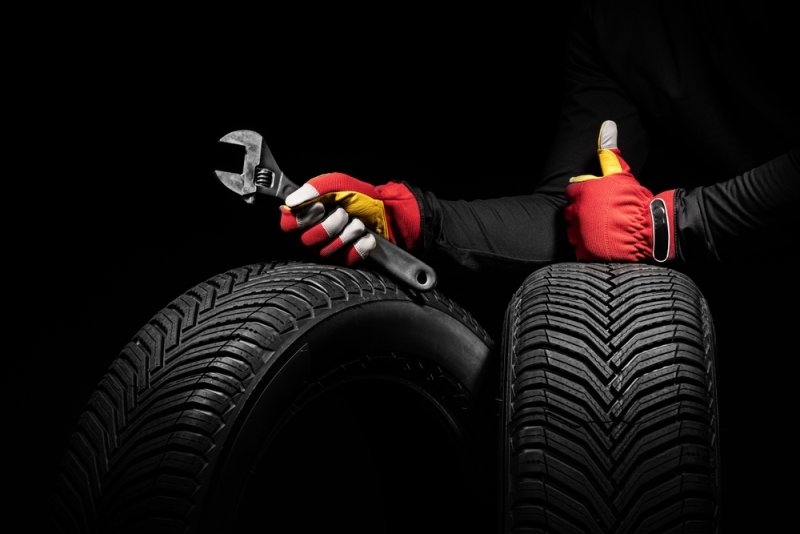
Your car's overall performance, braking, and grip on the road are massively affected by the tyres you choose to fit. The matter of tyre maintenance is also about far more than simply changing a tyre every once in a while when it's run out of tread.
Cost effective simple tyre pressure checks, tyre inspection, tyre rotation and regular wheel alignment can help prevent this unwanted wear and knowing a little about it can help you identify issues early. Here are a few simple tips on how to keep your car tyres:
Tyres are the only contact between you and the road, and even the slightest defect can influence your daily driving. Maintaining tyres can assist grip, steering, braking, and comfort – and also assist in noticing warning signs of issues that could lead to premature disposal.
When you ask yourself, "Why is tyre maintenance important?", consider the difference a small issue can make over time. Your tyres can change due to changes in your tyre pressure, as well as wheel alignment and tyre treads becoming uneven. The regular checking of your tyres, as well as tyre rotation, can combat this.
No single thing will keep your tyres in good shape. A handful of regular checks will give a clearer picture of the condition of your tyres. These four areas should become part of your regular care.
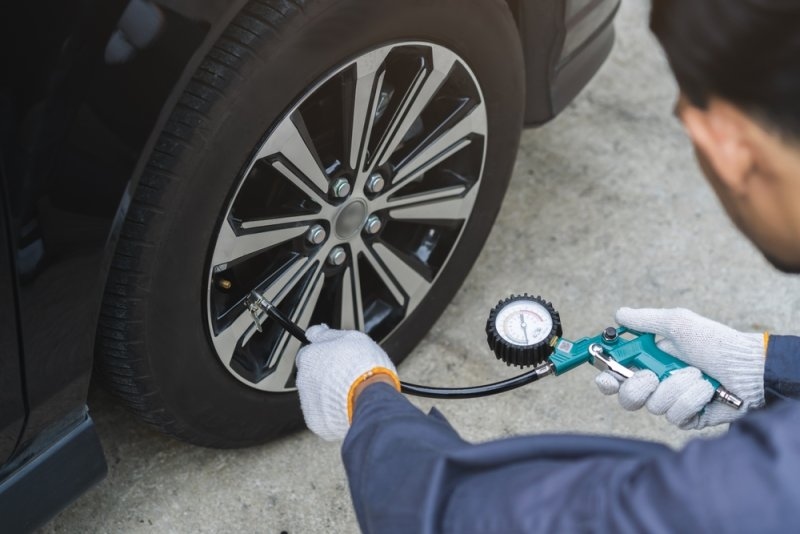
Familiarity with the question of “how often should you check tyre pressure” will make it simpler to look after your tyres. At least monthly, and before a long journey, you should check your tyre pressure regularly. The correct pressure is usually on the car information label, not the maximum-pressure marking on the tyre.
Likewise, it is important to know why tyre pressure is so important. Too little tyre pressure generates heat and causes faster shoulder wear, and the tyre can develop damage; too high pressure can lead to centre tread wear. Proper tyre pressure creates a contact patch.
The whole of the tread surface should be checked during a tyre inspection. Check for any parts of the tread that are uneven or if anything has become lodged between the treads. Also check for cracks or abnormal wear, which can be seen as cracks or different areas on the tyre.
Barreled inner walls below tread-wear indicators within the grooves can notify you if your tyre is getting close to its legal or recommended replacement point. Don't just use appearance. Tyres that slowly leak air, vibrate, bulge, or handle strangely are all cause to have your tyres checked.
Tyre rotation involves swapping tyres around to a pattern that is set by the vehicle and tyre manufacturers. The front and rear tyres will often wear at different rates, so rotating tyres will ensure the wear is spread evenly.
If you are inquiring “how often should you rotate tyres”, then look for the vehicle owner's manual for the recommended period. Timely tyre rotation helps diminish uneven tyre tread wear and makes the wear across the set more uniform.
Wheel alignment is how the tyres hit the road when you are driving and the angling of the tyres. If your vehicle is not aligned properly, you might notice the tyre starting to wear unevenly.
Look for the following: Vehicle pulls to the left or right of center, Off-center steering wheel, Unusual tread wear. These signs are most noticeable after hitting a pothole or curb with force.
It doesn't need special equipment or daily checks to do a good job at tyre maintenance. Some simple tips can help prevent many common concerns and can help you better detect a change.
These tyre care tips are particularly handy because issues can arise over time. Conducting a brief tyre check will highlight issues that you may not have initially spotted.
If you're wondering how to save tyre life, take all the stress off tyres. Tyre pressure: One of the simplest things to get right to save tyres is correct tyre pressure. Drive gently, avoid excessive loads, and eliminate unnecessary contact with potholes and curbs.
Correct tyre rotation, tyre inspection, and wheel alignment should all be used together to promote relatively even tyre treadwear. Replace the tyre rather than ignore the cause of uneven wear or constant deflation to help you avoid having to replace the tyre earlier than necessary.
In some cases, tyre repair can be an option if the damage is contained in a suitable section of the tread and the tyre qualifies for repair. Not all punctures or damaged tyres are repairable. Damaged sidewalls, major cuts, exposed cords, and some structural damage may need to be replaced.
An experienced individual needs to check the tyre, not just look it over, to determine that it is safe to have the tyre fixed. Driving on a punctured tyre only because it holds air will cause more damage. Timely treatment is an aspect of tyre care.
Any issues will be obvious for some, but others might not become apparent until your vehicle begins to drive differently. Be aware of these warning signs of tyre wear and damage when inspecting your tyres:
These kinds of tyre damage and wear indicators shouldn't be taken lightly. They could be a sign of an underlying issue with the tyre pressure, wheel alignment, suspension, or just a simple tyre problem. The sooner you can address this, the better!
The key to looking after your tyres is consistency. Check tyre pressure, look over the tyres, rotate the tyres according to the manufacturer's schedule, and be conscious of how the car handles. It only takes a few minutes and can keep you in the loop.
Good tyre care should go hand in hand with vehicle servicing. A professional will be able to detect problems that aren't always so easy to find at home, such as an issue with your alignment or internal damage to the tyre. When you have your vehicle serviced regularly, tyre repairs will become less of a chore.
Good tyre care begins with common practice: keep the right tyre pressure, inspect tyres regularly, rotate tyres as needed, and fix wheel alignment issues as soon as possible. Learning how to care for car tyres will also teach you how to check tyre tread wear and tyre damage.
Regular maintenance will assist your tyres with performance, can enhance daily driving feel, and may even prolong their service life.
Yes. Tyre pressure is affected by temperature, as air expands and contracts. You should always check inflation pressures in the spring, summer, fall, and winter for safe driving.
Do not let a slow leak go unnoticed. Driving around on a tyre that's losing pressure is sure to lead to heat build-up and reduce the lifespan of the tyre. Take the tyre into your local garage to have it checked: it could be anything from a puncture or valve fault to a wheel issue.
Changing the position of the tyres could help limit the effects of some uneven wear; it will not rectify a mechanical problem. To overcome any uneven wear that's underway, you will require a wheel alignment, suspension check and review of tyre pressure.
No. Some vehicles have different pressures front and back. If you often carry a heavier load than normal, you may need to use the pressures for the front of the vehicle at the front and the pressures for the rear of the vehicle at the back.
Drivers are required to replace tyres when the tread depth reaches its applicable wear limit or when they become damaged, degraded, or in any other condition that makes the tyre unsafe to use. A tyre technician can determine whether a tyre is fit for use.
This content was created by AI