

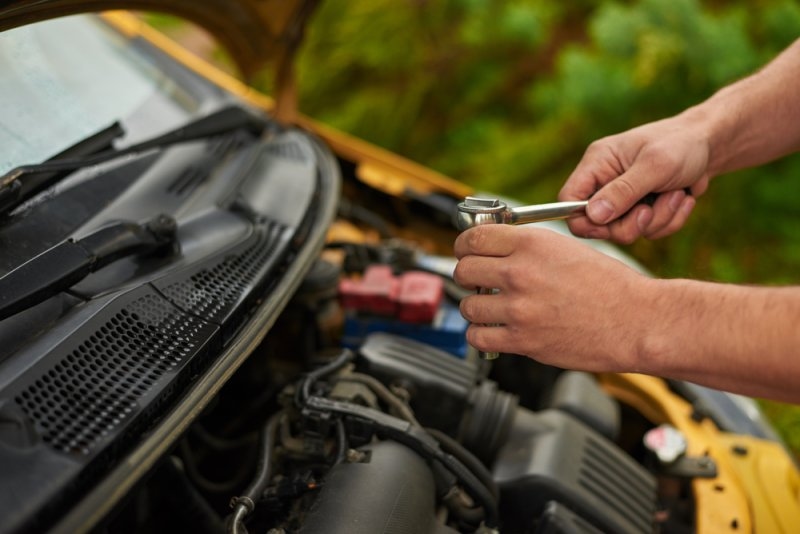
Having your first car is an exciting experience, but managing the responsibility of keeping it running can be daunting. Understanding the essential rules for car care will go a long way toward helping you avoid costly emergency trips to the mechanic.
According to AAA, owning a new car in the U.S. costs more than $12,000 a year, and surprise repairs only add to that. The truth is, most big repairs start as little problems people overlook. The Department of Energy says proper maintenance saves fuel and cuts costs in the long run. If you follow a simple car maintenance checklist and car maintenance tips for beginners, you’ll avoid nasty surprises and keep your car running smoothly. This guide will walk you through practical car care tips, a vehicle maintenance checklist, an easy checklist, car servicing, what maintenance does a car need regularly, and seasonal advice for both cold and hot weather—everything new drivers need to know.
For basic car care, stick to a straightforward routine, and you won’t fall behind on upkeep. Here is the basic car maintenance checklist for new drivers.
Engine oil lubricates all moving parts, thus preventing overheating. Take a look at your dipstick monthly and again before every long vacation.
Low tire pressure wastes gas and wears down your tires faster. Grab a pressure gauge and check against the sticker inside your door. Also, check the tread; if it’s worn down, swap your tires for new ones to stay safe on the road.
Add these to your checklist:
Running low on any of these can lead to overheating, fewer brakes, or poor visibility.
Try This: How to Change Engine Oil at Home and Save Money?
Top car care tips you should know as a beginner:
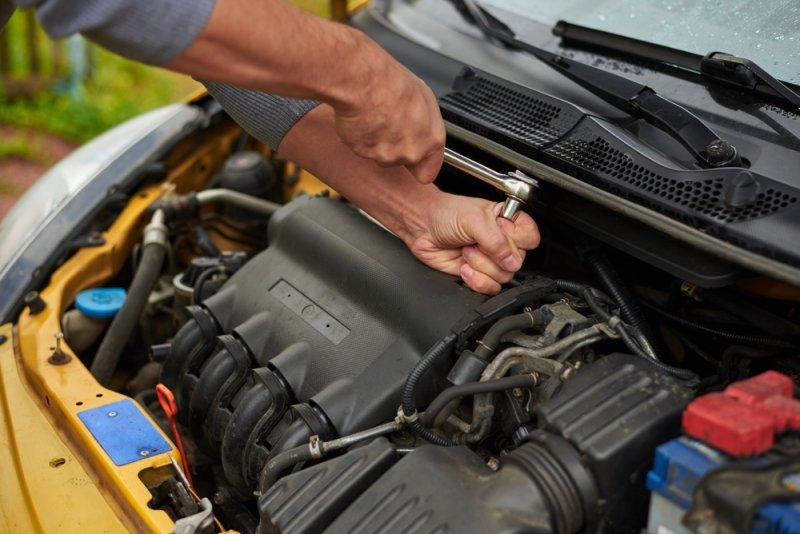
Wipers don’t last forever—replace them every 6 to 12 months, or sooner if they streak or chatter.
If you hear squealing brakes or odd knocking from the engine, check it out fast. Catching problems early saves you trouble and money.
Wash away dirt, salt, and grime before they eat away at your paint or cause rust. Vacuuming the inside keeps your car comfortable and helps with resale value later.
Dead batteries are one of the main reasons people call roadside service. Here’s how to avoid that hassle:
Watch for blue or white build-up on the terminals. Clean it off with battery cleaner or a baking soda solution.
Batteries usually last 3 to 5 years. If your engine is slow to start, get the battery tested (many auto stores do this for free).
Turn off all your lights and accessories when the car’s off. It’s a simple habit that saves you from walking out to a dead car.
Winter’s tough on cars. Here’s how to prep:
Coolant prevents freezing and overheating. Make sure it’s at the right mix—your owner’s manual has the ratio.
Cold air drops tire pressure, so keep an eye on it during winter.
You’ll want a flashlight, jumper cables, gloves, a blanket, an ice scraper, and a phone charger. It’s better to have it and not need it.
Essential Reads: All Weather Tires vs All Season Tires: Which One To Choose?
Heat brings its own headaches. Stay ahead of them with these steps:
Engines overheat faster in summer, so check coolant levels often and look for leaks.
Batteries hate high temps. If you can, park in the shade or a garage.
If your AC is weak, get it checked out before a heat wave. Fixing it early is almost always cheaper.
Here’s an easy schedule to keep your car in good shape:
| Task | How Often |
| Check Tire Pressure | Monthly |
| Check Engine Oil | Monthly |
| Wash the Outside | Every 2 Weeks |
| Inspect Battery Terminals | Every 3 Months |
| Rotate Tires | Every 5,000–7,500 Miles |
| Replace Air Filter | Every 12,000–15,000 Miles |
| Get a Full Inspection | Annually |
Stay consistent—this way, you don’t have to guess if you’re keeping up with maintenance.
DIY is great, but some things need an expert. Bring your car in if it's your
A trained technician can identify any problems you might overlook.
There are an infinite number of issues present while maintaining a car, and here are things that you need to stop doing today:
You don’t need a comprehensive understanding of your car's mechanical components to keep it optimally maintained. Stay on top of the fundamentals (i.e., oil, tires, fluid levels, and the car battery) of car-to-car maintenance tips for beginners. These small habits save you money, time, and headaches. They also make you more confident behind the wheel. We have auto maintenance tips.
For more tips and detailed guides, check out Carexcel.com. They’ve got advice that makes car ownership a lot less stressful. Pick one new habit to try this week. Start following a monthly checklist, and build your confidence as you go. Your car—and your wallet—will thank you.
Aim to wash your car every two to four weeks. If it’s winter or you’re driving through a lot of mud or rain, do it more often. Regular washes remove dirt, bird droppings, sap, and salt—stuff that slowly ruins your paint.
Yes, for sure. As long as you stick to the basics—like checking tires, oil, coolant, and battery terminals—you’ll be fine. Always let the engine cool before you poke around, and don’t mess with anything too technical. For brakes or electrical issues, leave it to the pros.
Do a monthly check. Oil, tires, fluids, lights, and battery—look them over each month. You’ll catch little issues before they get bigger, which means a safer ride, fewer repairs, better gas mileage, and a clearer sense of how your car is running.
This content was created by AI