

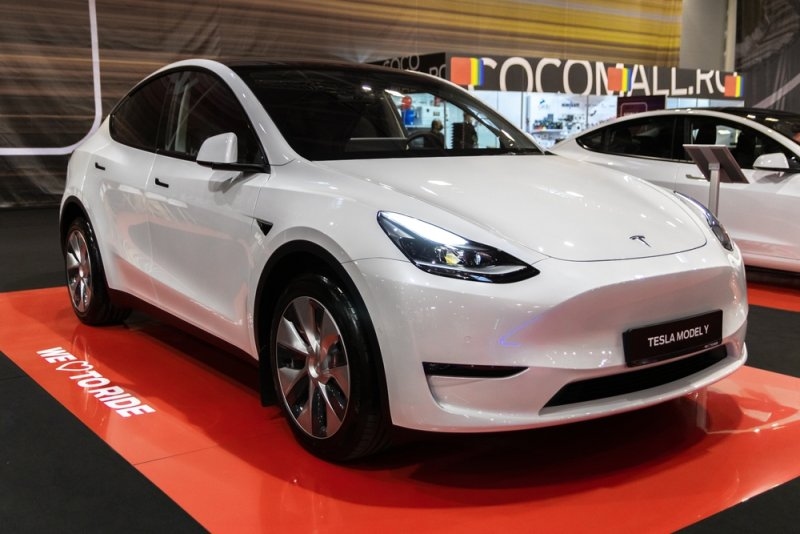
The Tesla Model Y has been the electric SUV to beat for years now, and honestly, 2026 might be its most convincing version yet. Tesla gave it a fresh face, redid the cabin, and finally added a proper three-row option called the Model Y L. But rivals aren't sitting still either. The Hyundai Ioniq 9 and Kia EV9 are closing the gap fast, so the real question is whether the Model Y still earns its spot at the top. Here's what we found after digging through the specs, pricing, and real owner feedback.
Tesla didn't just give the Model Y a light refresh this time around; it's a proper overhaul. Here's what actually changed:
That last one is the real headline. It's a stretched Model Y with an actual usable third row, not an afterthought bench. That's a direct shot at family SUVs like the Kia EV9.
Pricing has been a bit of a moving target this year, and even the major review sites don't fully agree on the numbers. Based on Tesla's own configurator as of mid-2026, here's roughly what you're looking at:
| Trim | Drivetrain | Starting Price (with fees) |
| Rear-Wheel Drive | RWD | $41,630 |
| Standard AWD | AWD | $43,630 |
| Premium | RWD/AWD | $47,630 to $51,630 |
| Performance | AWD | $59,630 |
| Model Y L Premium | AWD | $63,630 |
A few things could sweeten the deal if you're shopping right now:
Range is still where the Model Y quietly wins. Here's the breakdown by trim:
Even with that gap, it still beats most compact electric SUVs on paper. The only vehicle offering more range for less money is the Model 3, but that's a sedan, not an SUV. And with Tesla's Supercharger network still the most reliable fast-charging setup around, road trips stay relatively stress-free.
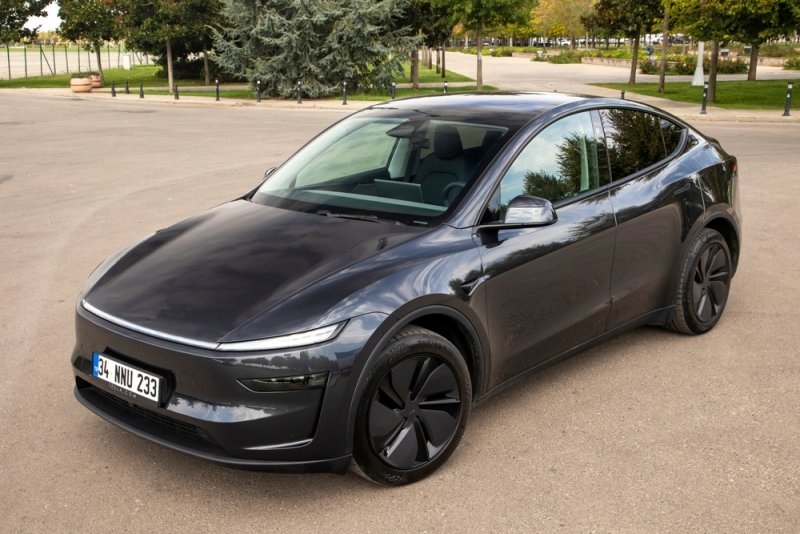
This is where the 2026 update actually feels like a real step forward, not just a marketing refresh. Key changes include:
The big central touchscreen still runs almost everything in the car. That's either a feature or a frustration, depending on who you ask. Drivers who like physical buttons will need a minute to adjust.
Must Try: Tesla Model 3 vs. Model Y: Key Differences Explained
The suspension has been retuned, and it shows. Here's how it performs across trims:
It's not chasing sports car status, but it's more fun to drive than most SUVs in this price range.
They share a platform, so the decision usually comes down to what you actually need day to day.
If you're regularly hauling kids, gear, or both, the Model Y is the easier call.
Reliability used to be Tesla's weak point, but the 2026 owner data paints a better picture than you might expect.
That last point is still a real edge over legacy automakers, who are only just catching up on software.
Stack it up against the Ioniq 9, EV9, or Mustang Mach-E, and the Model Y still holds its own:
Where it loses ground is interior polish and physical controls; some competitors just feel a little more thought-out inside. But if range, charging speed, and total cost of ownership matter most to you, the Model Y is still hard to beat.
The 2026 Model Y earns its reputation the hard way. It offers a strong range, fast charging, and a genuinely enjoyable drive, all wrapped into one practical package. The Model Y L finally gives families the extra row they've been asking for. If you're cross-shopping electric SUVs this year, it's still worth putting at the top of your test-drive list.
Also Read: Hybrid Cars vs Electric Cars: A Guide for Buyers in 2026
Pricing starts at roughly $41,630 with fees for the base rear-wheel-drive trim. Fully loaded Performance and three-row Model Y L versions can reach around $63,630, depending on options and configuration chosen.
According to EPA estimates, it runs roughly 294 to 357 miles depending on trim and whether it’s AWD or RWD. In real day-to-day driving, most people see a bit less because the weather gets moody, speed stays high, and climate control use kinda sneaks in there too.
It depends, but owner feedback is pretty upbeat. Reported reliability scores often hover around 4.8 out of 5 for the 2026 lineup. The common notes mention small stuff like build quality nitpicks or the occasional software hiccup, not major mechanical trouble. Also, a lot of those headaches get fixed remotely, without visiting a service center.
I’d lean Model Y if you care about more cargo space, taller seating, and the option to go with a three-row layout for families. If you’re more focused on paying less upfront and getting a slightly sharper feel on everyday commutes, the Model 3 fits better, like it’s more focused on that shorter route energy.
Yes, generally. It’s usually a solid deal because it brings better range, easy Supercharging access, and a strong resale reputation. Some rivals might beat it on interior comfort, or give you more traditional physical controls, but overall, the Model Y stays a practical all-rounder.
This content was created by AI