

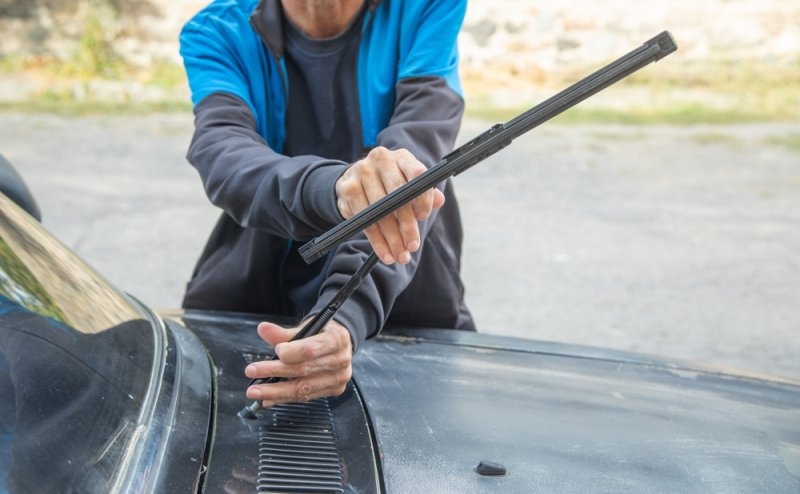
Most people overlook the importance of a car's wiper blades for safety. Nevertheless, wiper blades are vital for a clear view in rain, snow, and dust. Statistics show that a lack of visibility is a cause of thousands of weather-related accidents each year. We usually think about changing the windshield wipers when they streak, chatter, or squeak, but by the time this happens, the blades need to be replaced to prevent further problems with road safety. In this article, we are going to discuss the best wiper blades, whether you should do it yourself, and a lot of other things related to wiper blades.
A windshield wiper blade usually lasts anywhere from 6 to 12 months, depending on factors such as driving habits and weather conditions where you drive. However, when you are driving in very cold weather where you constantly have to use the wiper blades to remove ice and snow, your blades wear out more quickly. Driving with dirty windshields and roads, which you can't really avoid on long drives and during weather changes, causes your blades to wear faster.
Try This: Debunking a Myth About Car Wash Keeping Your Vehicle Clean
Your wiper blades have three major culprits that contribute to their wear: heat, UV radiation, and time. When it's hot, the blades dry out, making the rubber brittle and causing them to tear and squeak much more quickly. The UV rays from the sun bake into the rubber, making it disintegrate more easily than it would without a wiper blade. There are many types and qualities of wiper blades. Cheaper ones use a lower-quality material, resulting in less consistent performance and a less durable, shorter-lasting wiper blade. Drivers of cars that live and travel in hot climates will see that their wiper blades deteriorate much more quickly than drivers in more moderate climates.
If your wiper blades leave lines across the windshield, they need to be changed. If they skip on the windshield, it might just mean your blades are dry. When they begin to streak and squawk, that means they are definitely worn and need changing. Damaged blades are usually visible to the naked eye, in which case the rubber edge is worn or torn. In cases like that, not even more washing will help the windshield wipers clear out any moisture from the windshield to produce clear vision. They are often warped, which causes them to miss areas of the windshield entirely, making it more dangerous in heavy weather. It can also wear out the wipers and the windshield faster.
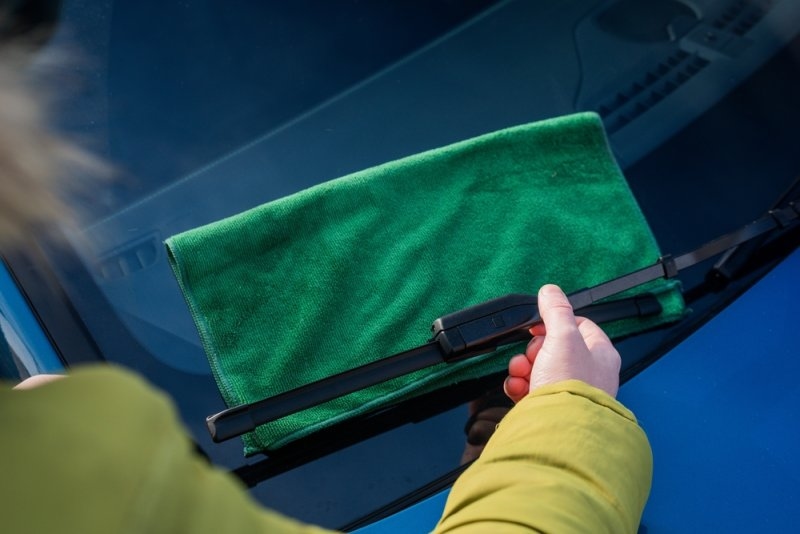
There's no point in waiting any longer than necessary for wiper blade replacement, because they are essential for seeing clearly in poor conditions and could prevent accidents. Some people feel it's a minor inconvenience, but when you know there are around hundreds of thousands of weather-related crashes each year, it's really worth considering the benefit of functioning windshield wipers.
It's best to check the windshield blades every 6 months or so to see if they are cracking or getting rough. The best time to replace them is once a year, even if they still appear fine, because they may have lost much of their flexibility over time. It will be very hard to spot if the wiper blades need changing. Over time, without noticing the actual problem, they can become uneven and make noises, which would only wear out the windshield glass.
Absolutely. While they do not last forever, taking proper care of them helps maximize their use.
That will depend on what vehicle you own. There are 3 basic categories:
The standard 2-piece beam blades that come on most vehicles. These are most suitable for everyday drivers in moderate weather climates. They are also the most affordable type.
These have no visible framework to hold the rubber blades in place. They are much more modern, give a smooth, consistent swipe, and provide a more even contact over the entire windshield in bad weather than conventional blades. Their improved aerodynamic structure also gives the blades extra pressure during the swipe, which is much needed in heavy rain or wind.
These have a better structure and use a framework that better supports the blade. The framework is covered by an aerodynamic cover that works like a beam, providing a smooth swipe in any weather condition.
Windshield wiper replacement blades are easy. It can be done at home within 15 minutes or less.
Essential Reads: Car Maintenance Checklist: Keep Your Vehicle in Top Shape
Car wiper blades may seem like a small component, but they are important for both safety and visibility. Depending on the weather, how frequently they're used, and how they're cared for, wiper blades generally last between 6 and 12 months. As covered in this article, you should be attentive to warning signs, understand the factors that affect wiper blade longevity, and make a habit of maintaining and changing your blades promptly.
Check your wiper blades routinely to confirm you can still clearly see every obstacle and other drivers when road conditions are bad. Don't forget to check that there is enough windshield wiper fluid when doing it.
Yes, even if they are rarely used, wiper blades will eventually expire due to time. Time, sunshine, rain, or dust and debris can accumulate on them and damage them, eventually rendering them less effective, even if their use has not yet caused the problem.
Winter blades have a flexible covering over the blade itself. This prevents snow and ice from sticking to the blade, allowing them to work much better than ordinary blades do when it snows heavily and, even more importantly, at temperatures below freezing.
Yes. The damage depends on how bad the blades have become; badly worn blades can begin to damage your car's windshield when parts on the underside have rusted and started touching the glass, and, of course, they cannot do a proper job by cleaning away dust from the windshield, which can cause the windshield to get scratched.
This content was created by AI