

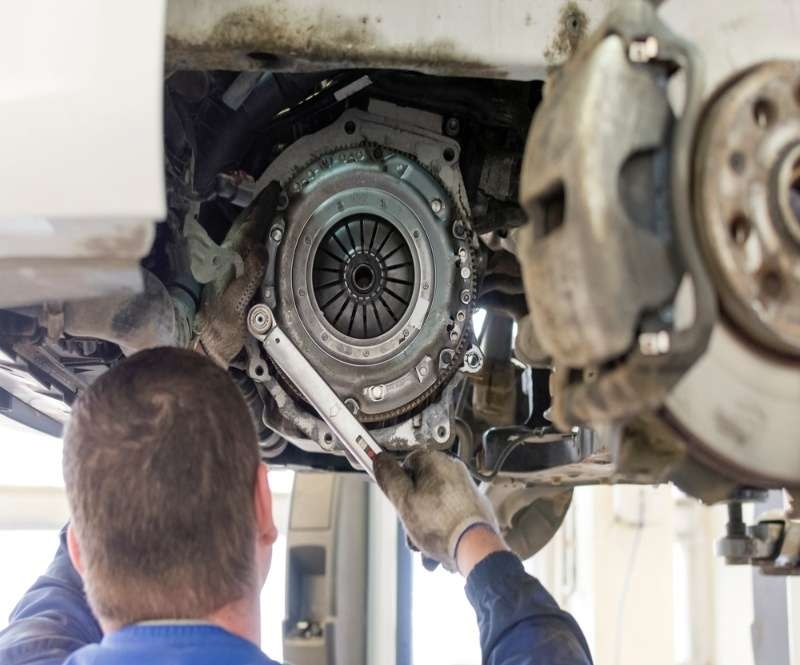
Car clutch maintenance is essential for keeping the vehicle's performance smooth. This is because the clutch connects the engine to the transmission and allows drivers to shift gears safely. The system can slowly lose its efficiency without proper care.
This blog will help you with the most effective clutch care tips for ensuring better performance in the long run.
Must Read: 6 Car Maintenance Myths That Are Costing You Big Money
A vehicle that uses a manual transmission clutch depends heavily on the driver’s interaction with the pedal. Every time a gear changes, the clutch briefly disconnects the engine from the gearbox. That moment allows the gears to shift without damage.
When you press the pedal down, the clutch plates separate. Release the pedal, and the clutch plates come together again. This action seems simple, yet it happens every time you are driving a car. The clutch uses friction to function. As a result, the clutch wears out.
Every time you shift gears in a car, a little heat and pressure are created inside the clutch. These little instances of friction cause the clutch to gradually wear out over time.
Therefore, clutch maintenance is important. It helps keep the clutch plates aligned and working smoothly.
You can refer to the list below, which will help you to understand the essential clutch care tips for everyday driving:
Some drivers are in the habit of keeping a light touch on the clutch pedal, especially during cruising. This light touch on the clutch pedal means that the clutch is slightly pressed down. As a result, the clutch plates are constantly rubbing against each other. This causes wear and tear on the clutch plates.
When shifting gears, some drivers are accustomed to releasing the clutch pedal quickly. However, this causes a sudden separation between the engine and gearbox. On the other hand, releasing the clutch pedal slowly allows these two systems to join smoothly. As a result, drivers notice a smoother gearshift.
Balancing the clutch and accelerator to keep the car steady on a sloping road causes clutch slipping. This slipping causes heat and pressure on the clutch plates. Using the handbrake to keep the car steady on a sloping road reduces clutch slipping. As a result, the clutch plates are less likely to be damaged.
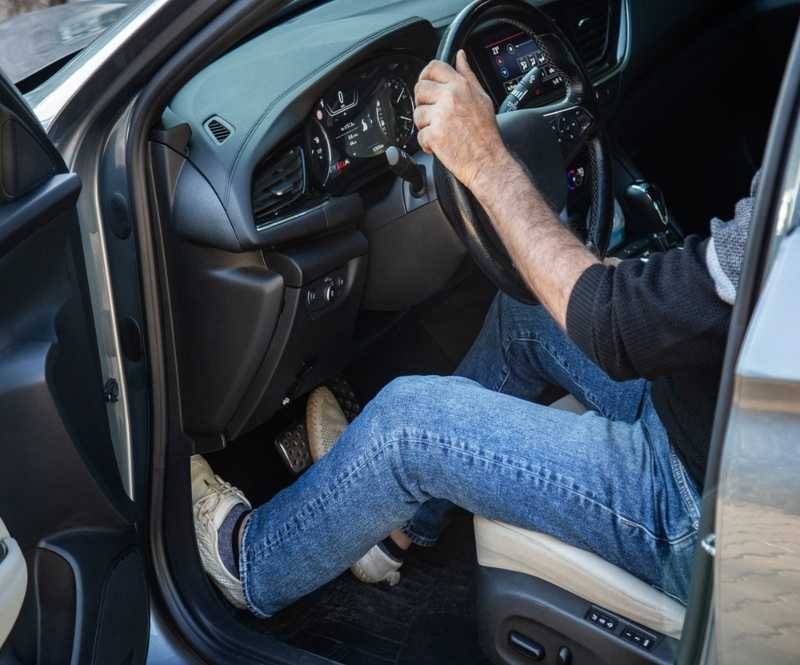
The way a person drives has a direct effect on the clutch system. Gear changes, acceleration patterns, and traffic conditions all play a role in how the clutch performs.
Healthy clutch driving habits allow the engine and gearbox to work together smoothly. Drivers who shift gears calmly usually create less pressure on the clutch plates.
When gears are changed suddenly or aggressively, the clutch must absorb extra force. This additional stress slowly weakens the connection between the clutch components.
In city traffic, drivers often shift gears frequently. That constant movement increases clutch activity. However, steady and controlled shifting helps reduce unnecessary strain.
Smooth acceleration also supports a balanced transmission system. Instead of pushing the engine quickly, gradual acceleration allows the clutch to engage naturally.
You can use the following methods to ensure a longer clutch lifespan:
If gear changes start to feel slightly rough or delayed, it may signal that the clutch needs attention. Drivers who notice these changes early can address them before they affect overall driving performance.
Smooth and steady pedal movement allows the clutch plates to connect properly. Sudden or uneven pedal pressure may disturb the balance between the engine and transmission.
Frequent shifting in heavy traffic increases friction inside the clutch system. Maintaining a steady pace whenever possible helps protect the clutch plates. This approach supports a healthier clutch lifespan by limiting repeated stress.
These small actions may appear ordinary, but they contribute greatly to clutch performance over time.
Top Pick: Understand How Often I Should Change the Oil in My Car
The clutch rarely fails without warning. Drivers notice small signals before the condition becomes serious in most cases.
The first sign is when the car doesn’t pick up speed as fast as it normally does when the accelerator is pressed. This is a sure sign that the clutch plates are slipping.
Another sign is when the gear is engaged. There may be a brief pause before the gear catches.
The clutch pedal may also be slightly different from how it normally is. It may be a little softer when pressed. It may require a little more or a little less pressure when the gear is shifted.
Regular maintenance of the car’s clutch is vital in ensuring the driving experience is both responsive and comfortable. When the clutch is in good condition, shifting the gears is a smooth experience.
The benefits of proper clutch maintenance are also evident in the driving experience. A well-maintained clutch ensures a comfortable experience. This is particularly evident during acceleration and braking.
Another benefit is evident in the confidence a driver has in the vehicle. When the clutch is well-maintained, shifting the gears is a smooth experience.
The importance of proper car clutch maintenance cannot be overstated. A driver who is observant and makes small adjustments to the driving experience is in for a treat. When the driver is attentive to the condition of the clutch, the driving experience is both smooth and comfortable.
Car clutch maintenance helps keep the transmission system working smoothly. It supports controlled gear changes and prevents unnecessary strain on clutch components.
Smooth gear shifting, avoiding unnecessary pedal pressure, and maintaining steady acceleration are helpful practices for protecting the clutch.
Yes, driving style has a strong influence. Gentle gear transitions and steady vehicle movement support healthier clutch operation.
This content was created by AI