

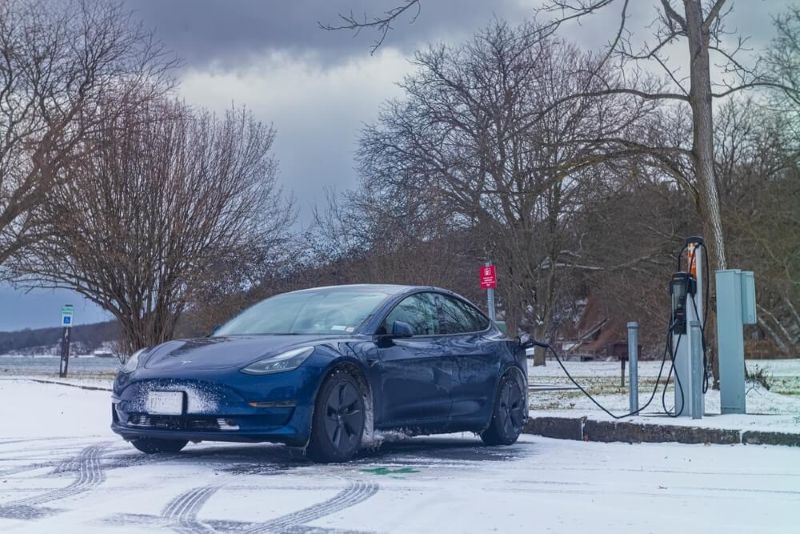
Electric vehicles are smooth, quiet, and honestly a joy to drive. But winter has a way of humbling even the most confident EV owner. One morning, you head out with what looks like plenty of charge, and by afternoon, that range estimate feels a bit optimistic. Cold weather changes how batteries behave, how energy is used, and even how you drive. The good news? You can do a lot about it. This guide walks through smart, realistic ways to protect your EV driving range in cold weather without turning every trip into a math problem. Think of it as winter wisdom, not winter worry.
Cold weather doesn’t just nip at your fingers. It affects how your EV thinks, feels, and performs. This section sets the stage by explaining why range drops happen and what’s actually going on behind that dashboard number.
Lithium-ion batteries slow down in low temperatures. The chemical reactions inside the battery don’t move as freely, so less energy is available at any moment. That’s the core reason cold weather EV range drops. Add cabin heating, seat warmers, and defrosters, and suddenly your battery has more jobs than it signed up for.
That number on your screen isn’t lying, but it’s guessing based on recent driving. When conditions change fast, like a sudden freeze, the estimate lags behind reality. It’s a bit like checking the weather yesterday to plan today’s outfit. Helpful, but not perfect.
Winter range loss feels personal, especially on longer drives. Let’s slow down and talk through what’s really happening so it feels less mysterious and more manageable.
EV battery performance depends on temperature. When it’s cold, internal resistance rises, meaning energy delivery is less efficient. Think of it like trying to pour thick syrup instead of water. It still flows, just not as easily.
Quick errands in winter can drain more energy than one long drive. Each cold start forces the battery to warm itself again. You know what? Sometimes, combining trips saves more range than any fancy feature.
Also read: Best Car Maintenance Apps in 2025: Track, Schedule & Save
This part gets slightly technical, but stay with me. Understanding how your battery behaves helps you treat it better, especially when temperatures dip.
Most EV batteries like to stay between about 60 and 80 degrees Fahrenheit. Winter pushes them well outside that comfort zone. Battery management systems work hard to compensate, but that effort uses energy.
Ever notice weaker regen on cold mornings? That’s intentional. A cold battery can’t accept energy as quickly, so the system dials it back. It’s normal, and it comes back once things warm up.
Driving style matters more in winter than many people expect. This section shifts from science to habits that feel natural once you get used to them.
Gentle acceleration and steady speeds help electric cars ' cold-weather efficiency. Flooring it feels fun, sure, but it drains energy fast when batteries are cold. Smooth wins the long game.
Cold air is denser, increasing drag. Driving 75 instead of 65 can quietly shave miles off your range. Honestly, slowing down a bit often buys peace of mind more than lost time.
Staying warm matters. No one wants to freeze for a few extra miles. The trick is heating smarter, not less. These use less energy than blasting cabin heat. Warming your body directly is more efficient than heating all that air around you.
Charging strategy quietly shapes winter range. Small changes here can make cold mornings less stressful.
Charging warms the battery. Leaving soon after charging means you start with a happier, warmer pack. Many EVs let you schedule this easily.
Keeping your battery a bit fuller in winter is fine. Range anxiety hits harder when cold cuts deeper. A little buffer goes a long way.
This is one of those features people hear about but forget to use. It’s a quiet hero of winter efficiency.
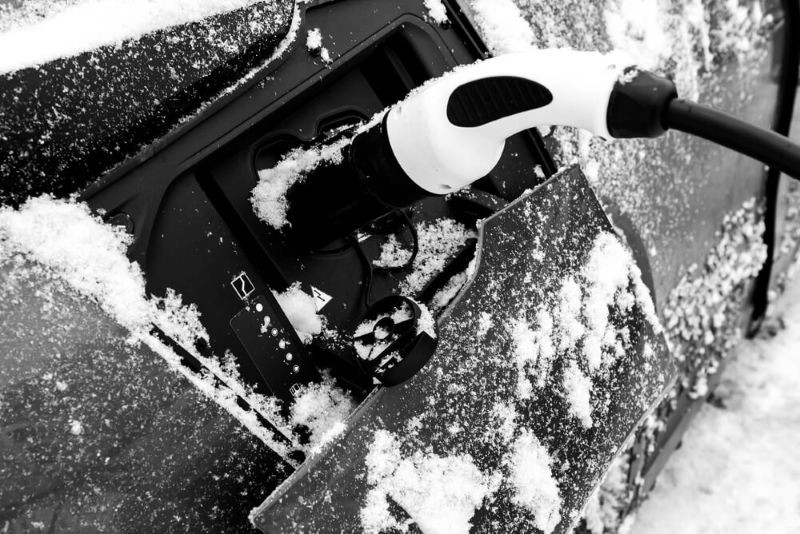
Preconditioning heats the battery and cabin using grid power instead of battery energy. It’s like stretching before a run rather than mid-sprint.
Tesla, Ford, Rivian, and Hyundai apps all support preconditioning. A couple of taps while you finish coffee can save real miles.
Winter isn’t just about temperature. The road itself changes, and your tires feel it first.
Yes, winter tires slightly reduce range. But they dramatically improve grip. That trade is worth it when roads turn slick.
Cold air reduces tire pressure. Underinflated tires increase rolling resistance. A quick pressure check can quietly restore lost efficiency.
Planning sounds boring until it saves you from a cold roadside stop. This section keeps things practical, not obsessive.
Winter range shrinks, so spacing between chargers matters more. Apps like PlugShare and A Better Routeplanner adjust for temperature automatically.
Climbing hills drains energy fast in winter. Regen helps on the way down, but cold batteries limit it at first. Plan routes with that in mind.
Here’s the thing. Winter EV driving isn’t broken. It’s just different. Accepting that difference reduces stress.
Some days you’ll lose a 10 percent range. Other days, 30. Wind, snow, and temperature all play a role. Flexibility beats frustration.
Cold seasons feel endless when the range drops. But spring returns efficiency quickly. Most EV owners say winter lessons make them better drivers year-round.
Suggested reading: All Weather Tires vs All Season Tires: Which One To Choose?
Cold weather challenges electric vehicles, but it doesn’t defeat them. By understanding EV driving range in cold conditions and adjusting habits, charging routines, and comfort choices, you take back control. Winter driving becomes less about worry and more about rhythm. You learn your car’s patterns, adapt, and move on. And honestly, once you’ve mastered winter, the rest of the year feels easy.
Cold slows battery chemistry and increases energy use for heating. Both reduce available driving miles.
Occasionally charging higher in winter is fine, especially for longer trips. It provides a helpful buffer.
Yes, slightly. But they improve safety and traction, which matters more on icy roads.
Yes. Warming the battery and cabin while plugged in saves energy and improves winter efficiency.
This content was created by AI