

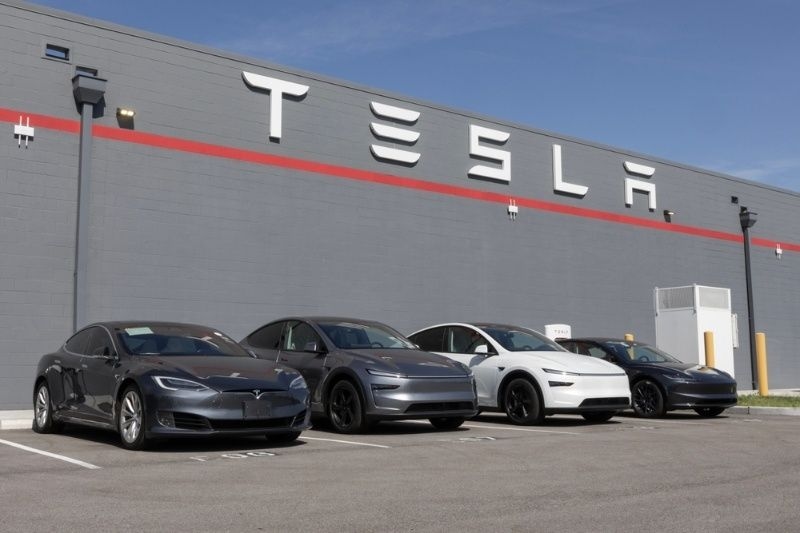
Electric vehicles have moved on from being simply a futuristic alternative to the internal combustion engine. In 2026, EVs are going mainstream, with global sales forecast to exceed 20 million by the International Energy Agency. However, many potential owners still want to know, "How reliable are electric cars after 100,000 miles?"
Many prospective EV buyers are concerned that the battery in their car will degrade too quickly, that repairing an EV will cost more than a petrol alternative, and that long-term EV ownership is actually practical. Fortunately, the evidence shows that EVs are quite durable. Models from manufacturers like Tesla, Hyundai, Ford, and Rivian have proven they can easily exceed 100,000 miles while still providing excellent efficiency.
Here we will take a look at the top electric car reliability, how EV batteries last, the expected maintenance and costs of ownership for EVs at 100,000 miles, potential problems, and whether a used electric vehicle maintenance is worth buying.
One of the primary reasons electric vehicles are so reliable is their simplicity of design. Whereas the vast majority of petrol cars typically contain close to 2,000 moving parts in their drivetrains, many electric vehicles have fewer than 20 major moving components, significantly minimizing points of failure. This eliminates many common engine-related problems, including oil leaks, transmission failures, spark plug issues, exhaust repairs, and timing belt replacement.
As the EV has no internal combustion engine to wear out over time, its long-term viability remains high, and Consumer Reports tests indicate that drivers spend half as much on maintenance and repairs for their EVs as for traditional gasoline-powered cars.
EV batteries are often the biggest point of concern when purchasing an EV, as they represent the main "consumable" on a vehicle. Luckily, the vast majority of modern electric vehicle lithium-ion batteries are expected to last between 150,000 and 300,000 miles, depending on driving style, charging preferences, and the ambient climate where you live.
In addition, many manufacturers already offer 8-year/100,000-mile or 10-year/120,000-mile warranties to provide long-term peace of mind for drivers. Tesla has provided data showing that their models retain an average of 85% to 90% of battery capacity even at the 200,000-mile mark, and similarly strong results have been seen for Hyundai EV models.
Batteries are expected to degrade slowly, and a new 300-mile range EV may only provide 255 to 270 miles after 100,000 miles of use. Fast charging frequency is known to degrade batteries more quickly, as do very hot climates, but neither factor is likely to provide significant problems for the average driver.
Try This: Electric Cars with Best Range in 2025: A Complete Guide
Even with the superior simplicity of EVs compared to combustion engines, a vehicle is never going to be maintenance-free, and when your electric car hits the 100,000-mile mark, there are a couple of important systems that you may want to inspect further:
Battery cooling systems. These generally utilize liquid cooling to keep the battery packs from overheating. Over a 100,000-mile journey, you may want to get these inspected to ensure they are working effectively.
Because EVs possess instant torque and are typically quite heavy due to their batteries, the rate at which a driver is likely to go through tires could be higher than average. Most EV owners report buying new tires every 30,000 to 40,000 miles.
Paradoxically, EV braking systems tend to last longer. Because EVs have regenerative braking, most of the vehicle's braking is performed by the motor acting as a generator. This means that wear on physical brakes is significantly reduced, and it's not uncommon for drivers to reach 100,000 miles or more before replacing their brake pads.
Much like any other vehicle on the road, components on your EV will wear over time, and after extensive use, the suspension will inevitably require repair or replacement.
However, the overall long-term running costs will still remain cheaper for most EV owners.
With a rising market for used EVs, reliability will again depend heavily on the condition of the battery pack and the car's history. Many buyers will wish to inspect the vehicle's battery health report, check for remaining warranty coverage, and learn about the car's previous charging history and any accidents it may have been in.
Newer used electric cars can still provide many of the advantages of EVs at a much reduced price point, and they will all maintain better range than the earlier generations of electric vehicles. High-demand vehicles such as the Tesla Model 3 and Hyundai Ioniq 5 have earned a strong reputation for EV durability, and with the growing data on the battery health of many newer EV models, electric car reliability will likely increase as the market evolves.
Even with the improved reliability of EV components, there are still a couple of minor problems that an EV owner may encounter when reaching 100,000 miles:
Although EV batteries degrade slowly, this will remain an underlying concern for drivers.
As the charging port is used thousands of times over its life, the component may begin to wear out, slowing charging.
Newer cars and modern EVs rely more on software for features and performance, and some bugs and glitches may develop over time.
While this will be a concern for all EVs in colder temperatures, older batteries will perform much more poorly.
Although catastrophic failures remain rare among electric vehicles, minor inconveniences can put off some buyers.
For many, it will be. EV owners can potentially save thousands over the lifespan of their vehicles through lower fuel costs and reduced maintenance due to less mechanical wear and fewer oil, fuel, and brake-related maintenance needs. These savings can offset some of the initial outlay required. However, insurance premiums for certain EVs can be significantly higher due to the high cost of replacing the battery pack. When purchasing a used EV, owners must ensure they receive details on the battery's remaining warranty and confirm its condition.
The EV market is constantly innovating, and new technologies such as solid-state batteries, advanced battery chemistries, and more efficient thermal management systems will further extend the life expectancy of electric vehicles over the coming decade. Fast charging will only get faster, while improved diagnostic tools will be integrated to increase overall reliability and longevity across EV models. Automakers are acutely aware of electric car reliability becoming an important factor for drivers when purchasing, and this demand is spurring manufacturers to push the boundaries of EV battery and component durability.
Electric vehicles are no longer a novelty on our roads and have proven that with relatively low maintenance, they can easily achieve over 100,000 miles of operation while maintaining a good level of battery performance. Although battery degradation may still be a concern, EV battery technology has advanced significantly over the last decade, with current innovations such as more durable batteries and efficient charging methods. These factors suggest that, for many people, the lower long-term running and maintenance costs make an electric vehicle an attractive investment for their home. As electric vehicles become more prevalent on our roads, their durability and long-term running costs will only become more appealing.
Some EVs depreciate faster due to rapidly advancing battery technology and government incentives for new electric vehicles. However, highly sought-after models from brands known for battery longevity typically retain their value better. The amount of warranty remaining on the electric vehicle's battery, its condition, and its charging rate are factors that will significantly impact the value of a used EV.
Yes. You can replace an EV battery at any point throughout its lifetime. The cost can vary depending on the brand and the specific size of the battery pack that you are purchasing. The vast majority of battery packs cost between £5,000 and £15,000 to replace and are often no longer required after 100,000 miles.
Modern electric cars are more and more becoming suitable for long journeys due to the ever-growing fast-charging infrastructure all over the globe. 2026 electric car models already have ranges beyond 300 miles, and one can make it convenient to travel for long distances by using charging apps and by planning all the charging stops.
This content was created by AI