


Buying a car feels exciting at first. Then prices show up, dealers start talking fast, and suddenly everything gets confusing. A used car can save money, sure, but timing matters more than most people think. Buy at the wrong moment, and you may pay thousands extra without even realizing it. Wait a few weeks or choose a better season — the price shifts.
People often focus only on mileage, condition, or brand. Timing gets ignored. That is a mistake. In this blog, we will break down the best time to buy a used car, the smartest periods of the year, simple buying tricks, plus ways to spot stronger used car deals without rushing into regret.
If someone asks for the best time to buy a used car, the short answer is this: Late in the year usually works best. But it is not always that simple.
Dealers often try to clear inventory before a new year begins. Around October, November, plus December, prices sometimes soften because sellers want space for newer models. More negotiation happens. Pressure increases on dealerships to hit monthly or yearly sales goals, too.
Many dealerships work with monthly targets. Toward the last week of the month, sales teams may be more willing to negotiate just to close another deal.
That does not mean every seller becomes generous. Still, buyers often get slightly better pricing, discounted paperwork charges, or small extras thrown in. Worth trying.
December stands out for a reason. Dealers want to clear older stock before newer arrivals show up. Cars sitting too long cost money.
Keep an eye out for this:
No promises, but these things happen often enough to make a difference.
Don't Miss: Smart tips for financing a car for first time buyers
Finding strong used car deals is not about luck. Most people simply shop too fast.
Never walk into a dealership blind. Check online listings first. Compare the same car model, year, mileage, and condition in different locations.
Sometimes one city has lower prices than another. Even nearby markets shift. A car selling for ?7 lakh somewhere may go for ?6.4 lakh elsewhere. Strange, but normal.
Cars listed for longer periods sometimes become easier to negotiate on. Sellers want movement.
If a vehicle sits unsold for several weeks, there is a chance the owner or dealer may cut pricing later. Patience helps here — though waiting too long can mean someone else grabs it first.
Festive periods often increase demand for vehicles. Families buy cars before holidays or weddings. Demand rises, bargaining power falls.
Try to skip these times:
Sometimes, just waiting a month does more than hours of haggling ever could.
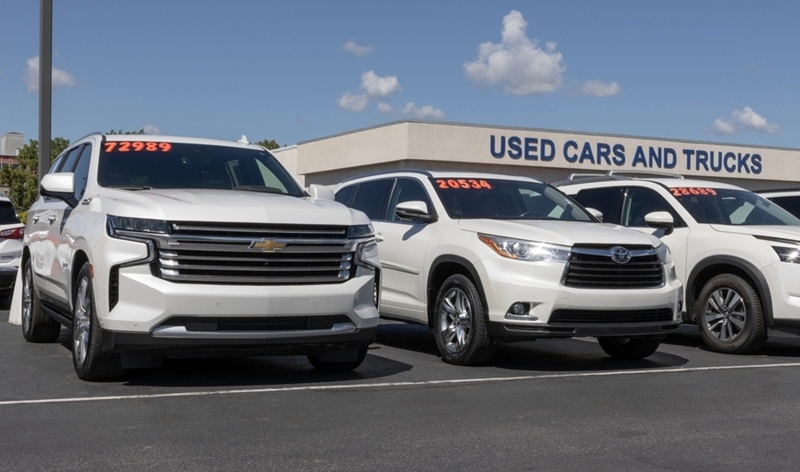
Most used car buying tips online repeat the same boring checklist. Check mileage. Inspect tires. Ask questions. Sure. But real buyers make mistakes elsewhere.
Looks can fool people. A shiny car outside may hide accident damage, flood exposure, or repeated repair problems. Service records matter more than polished paint.
Even if someone charges a small inspection fee, it is often worth it. Paying a mechanic now may stop a huge repair bill later. Little sounds matter. Strange engine vibration. Uneven tire wear. Hidden rust. Buyers miss these things all the time.
The best times of year to buy a used car usually fall into predictable periods, though not every year behaves exactly the same.
November and December often bring price flexibility. Dealers want inventory moving before the next calendar cycle starts. Older stock suddenly becomes harder to sell once buyers start asking for newer registration years. That creates pressure.
Some dealerships push harder near quarterly deadlines. March, June, September, or December sometimes bring extra room for negotiation. Targets matter in sales. Missing them hurts businesses. Buyers can quietly benefit from that pressure.
Everyone shops on weekends. Fewer people visit dealerships during normal working weekdays. That slower traffic sometimes helps buyers get more time, better attention, and fewer rushed decisions.
Buying a used car is partly about timing, partly about discipline.
People overspend because emotion takes over. The car looks perfect, feels exciting, and suddenly logic disappears.
Avoid that trap.
Before you sign any papers, cover the basics:
Yes, bargaining can feel weird, but it hurts less than buyer’s remorse.
Also Read: Cars with Best Resale Value, The Smart Picks for 2026 Buyers
Finding the best time to buy a used car is not just about waiting for a random sale. Timing changes pricing more than people expect. Late-year inventory clearances, month-end targets, quieter weekdays — these moments quietly create better opportunities. Yet timing alone is not enough. Smart research matters just as much.
Private sellers usually have lower prices, but you’re on your own with paperwork, and there’s no warranty. Dealers might cost more, but they handle all the paperwork and sometimes toss in a limited warranty.
There’s no magic number. Sometimes, a car with higher mileage runs better than a “barely used” one that never got proper care. It really comes down to how well the car was maintained.
If you can pay cash, you skip the interest and headaches. But if you need a car and don’t have all the cash, financing works—just don’t bite off more than you can chew. Those monthly payments look small at first, but they can turn into a real burden if you stretch the loan out too far.
Absolutely. Sellers usually expect to negotiate, and you can often knock a good chunk off the asking price, especially if the car’s been sitting awhile. Do your homework, know what similar cars go for, and keep it friendly.
This content was created by AI